My Role
Senior Product Designer
Project Duration
12+ months
Platform
Web
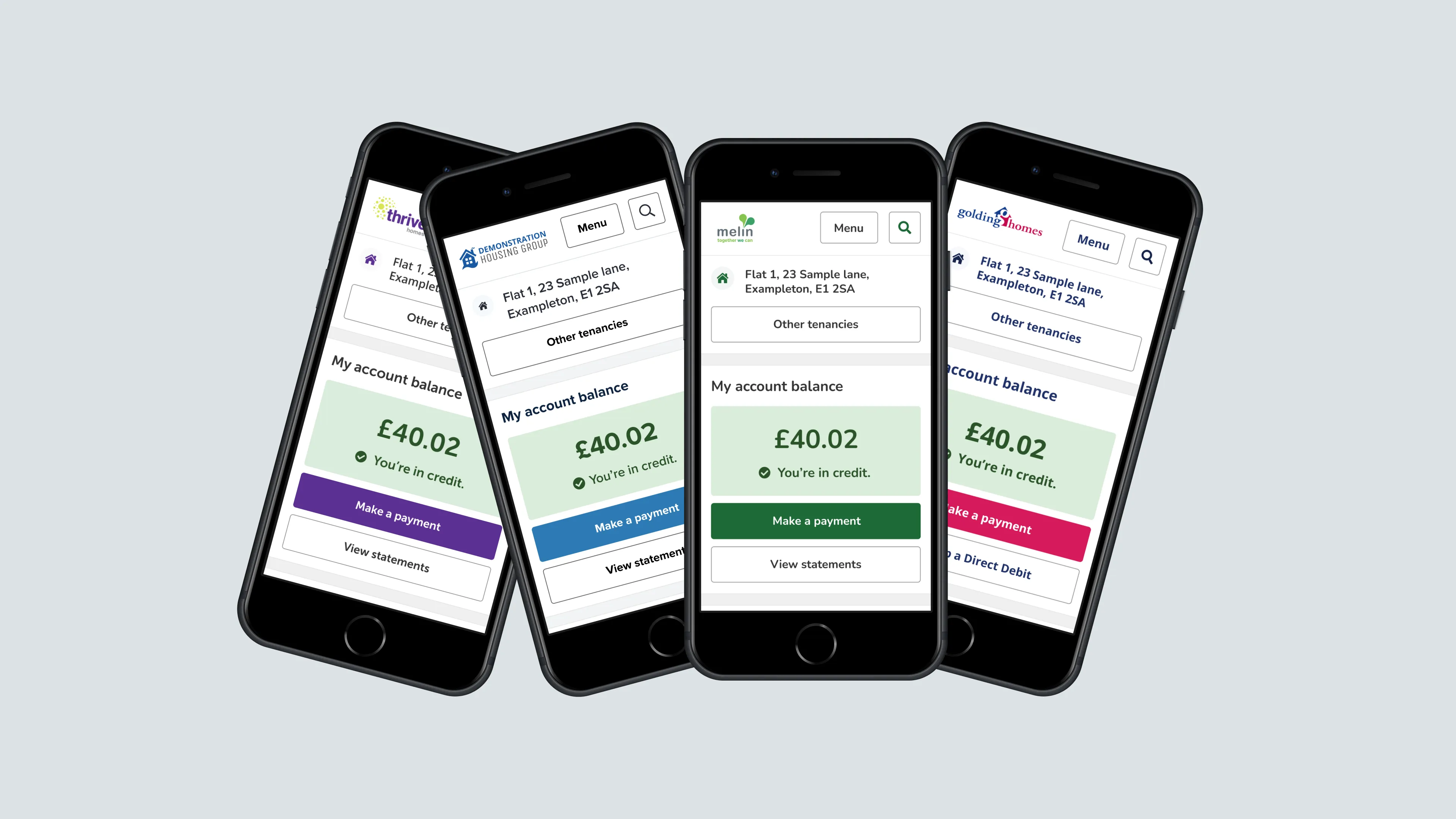
Led the end-to-end redesign of Active Housing's core product suite, serving over 2-million UK social housing residents. Transformed four disconnected products into a cohesive platform that reduced support calls by 50% and increased tenant engagement by 400%.
The suite includes:
Active Diagnostics
Allows tenants to self-diagnose and report repair issues, streamlining the process for swift resolution.
Active Onboarding
Manages tenant onboarding, including property offers, tenancy applications, and digital signatures.
Active Portal
A self-service portal for tenants to manage rent payments, report repairs, and oversee tenancy details.
Active Approvals
Enables tenants to request permissions from their landlords (e.g. pet & home approvals).
Problem
The platform needed a refresh due to:
Fragmented Design
Each of the four products had been developed separately by different teams, leading to inconsistencies in the user experience.
User Feedback
Tenants and local authorities had expressed concerns about usability, accessibility, and overall satisfaction.
While the platform's individual products were functional, user feedback and support metrics highlighted a clear need for transformation. The fragmented user experience wasn't just causing frustration - it was directly impacting housing associations' operational costs and residents' ability to manage their tenancies effectively.
Goals
After extensive analysis and stakeholder discussions, we identified three core objectives that would define success for this redesign:
Unified Design System
Create a unified design system to align all products under the same brand and design language.
Data-driven Lead
Improve usability and user satisfaction through iterative research and testing.
Collaboration
Collaborate with local authorities and tenants to ensure the experience meets their needs.
To achieve these ambitious goals, we needed to thoroughly understand both the technical landscape and, more importantly, the diverse needs of our users - from tech-savvy young professionals to elderly residents managing their first digital tenancy.
As one of two UX designers on the team, I worked alongside the head of development, a team of engineers, and various stakeholders.
My role included:
Leading user research and facilitating in-person workshops to gather insights.
Creating a new design system from scratch to align the suite’s products and ensure consistency for future scalability.
Collaborating with stakeholders and development teams to balance user needs with technical constraints.
Rolling out the refreshed designs across the suite, incorporating user feedback through ongoing usability testing.
Challenges
The scale and complexity of this redesign presented several significant hurdles. Each required careful navigation to ensure we maintained service quality while implementing major changes:
WCAG Compliance
As these products serve local authorities, adherence to UK accessibility laws was essential.
Design System Creation
Neither the team nor I had created a design system before, adding complexity to the project.
Balancing Requirements
Aligning stakeholder, user, and developer needs often resulted in extended discussions and compromises during workshops
Tackling these challenges required a methodical approach that would maintain service stability while implementing significant changes.
We conducted multiple moderated testing sessions and focus groups to identify key pain points in the existing products.
User Research
Lead comprehensive user research program across diverse tenant demographics
Usability Testing
Conducted moderated testing sessions focusing on critical user journeys (account setup, repairs, payments)
Mobile-first
Uncovered that 80% of users were mobile-first, with a significant portion requiring accessibility accommodations
Analytics
Mapped analytics data to identify key drop-off points and prioritise highest-impact improvements
These insights revealed that our redesign needed to go beyond surface- level improvements. We needed a fundamental rethinking of how our products worked together to serve both housing associations and their residents.
With clear insights from our research, we took a systematic approach to transforming the platform's design:
Design System
Existing Audit
Established first unified design system after thorough audit of existing product suite
Version Control
Implemented Abstract for version control, enabling seamless collaboration across design team
Component Library
Created accessible-first component library that reduced development handoff time by 65%
Design Documentation
Built documentation framework that supported rapid scaling of design team
Product UX Refresh
Workshops with local authorities and their users were ongoing, allowing us to iterate quickly based on feedback.
This continuous testing cycle helped refine prototypes and drive design decisions that resonated with users.
The impact of these changes became evident quickly across both user satisfaction metrics and operational efficiency. Housing associations and residents alike saw immediate benefits.
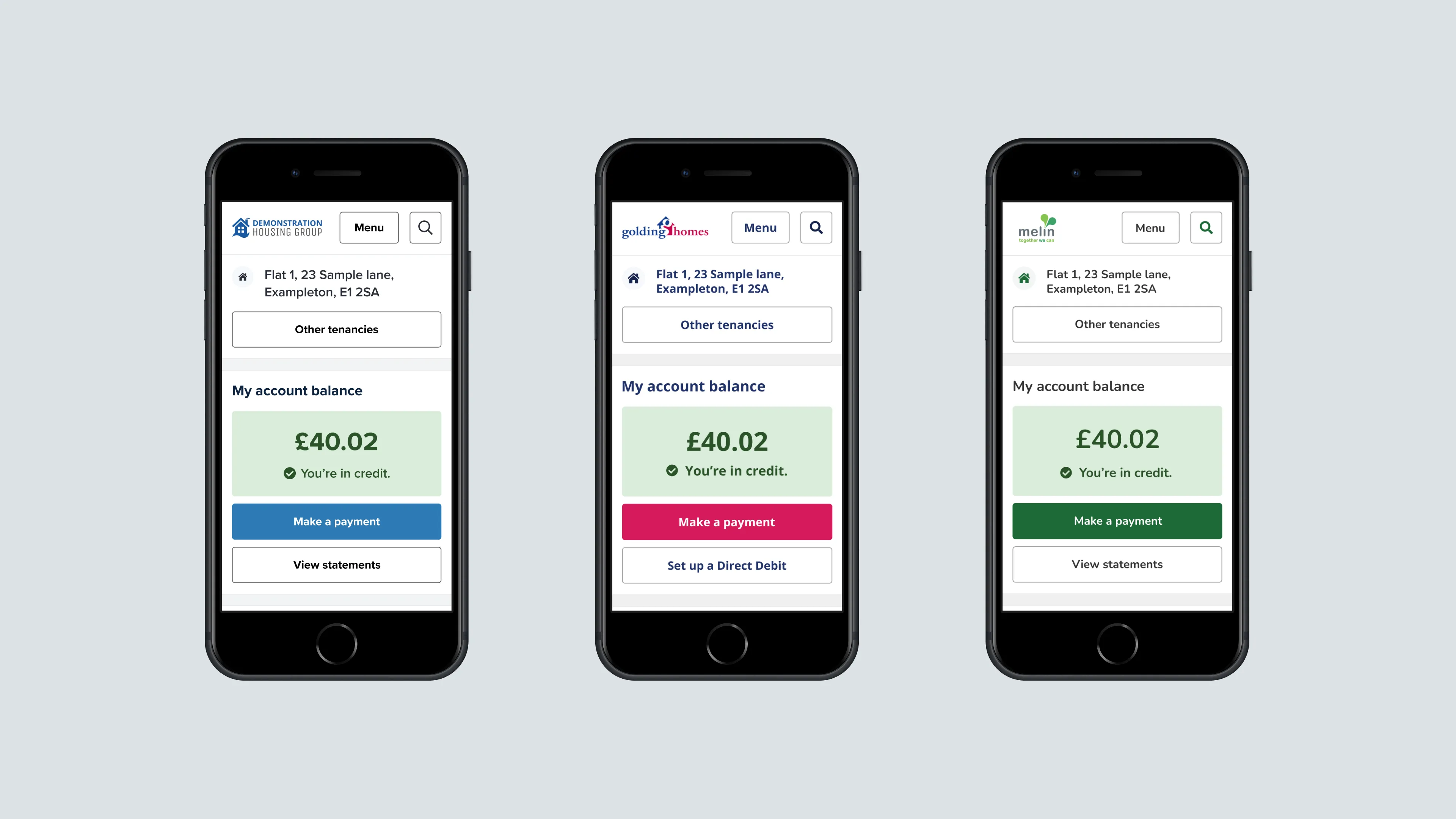
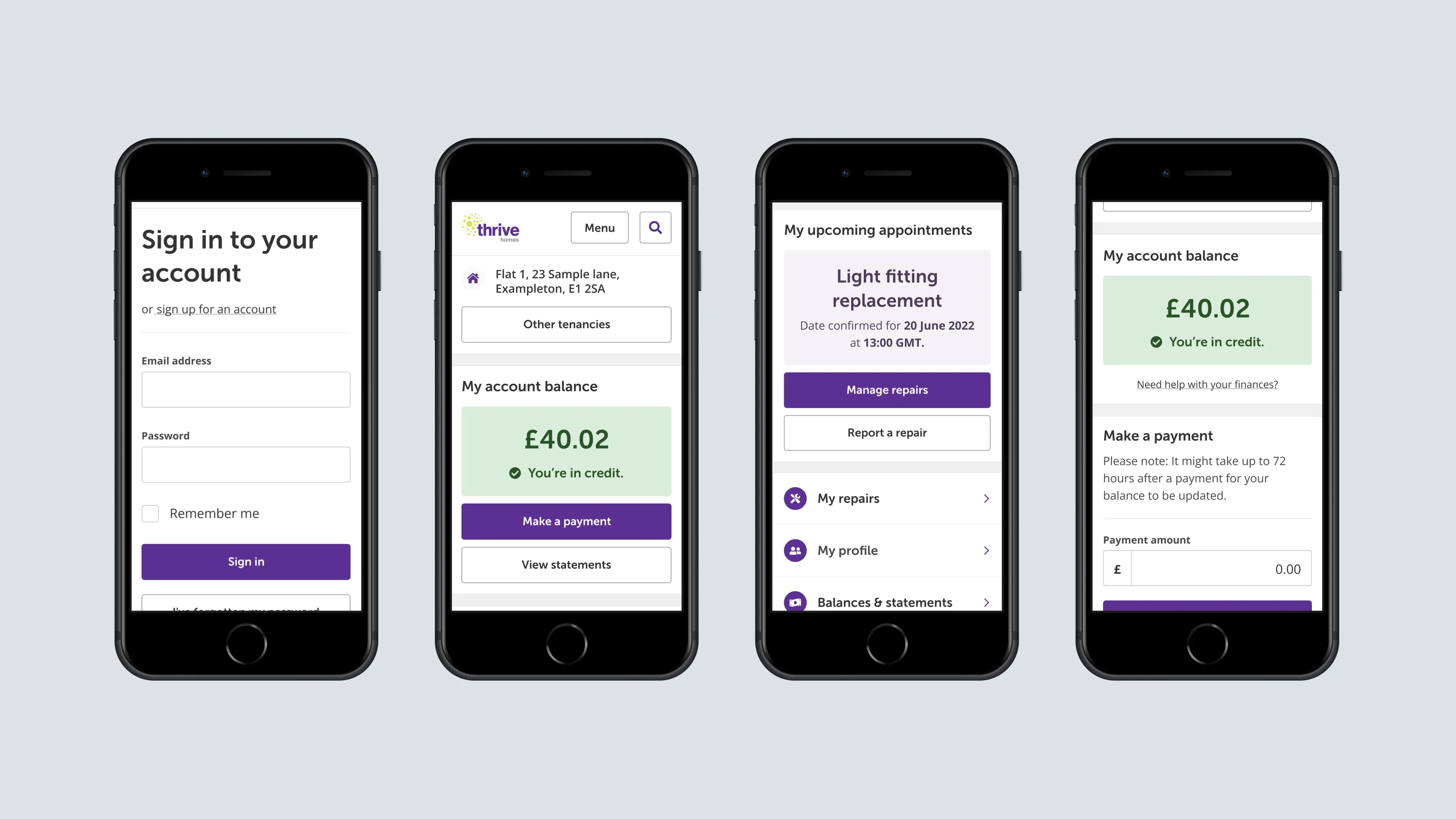
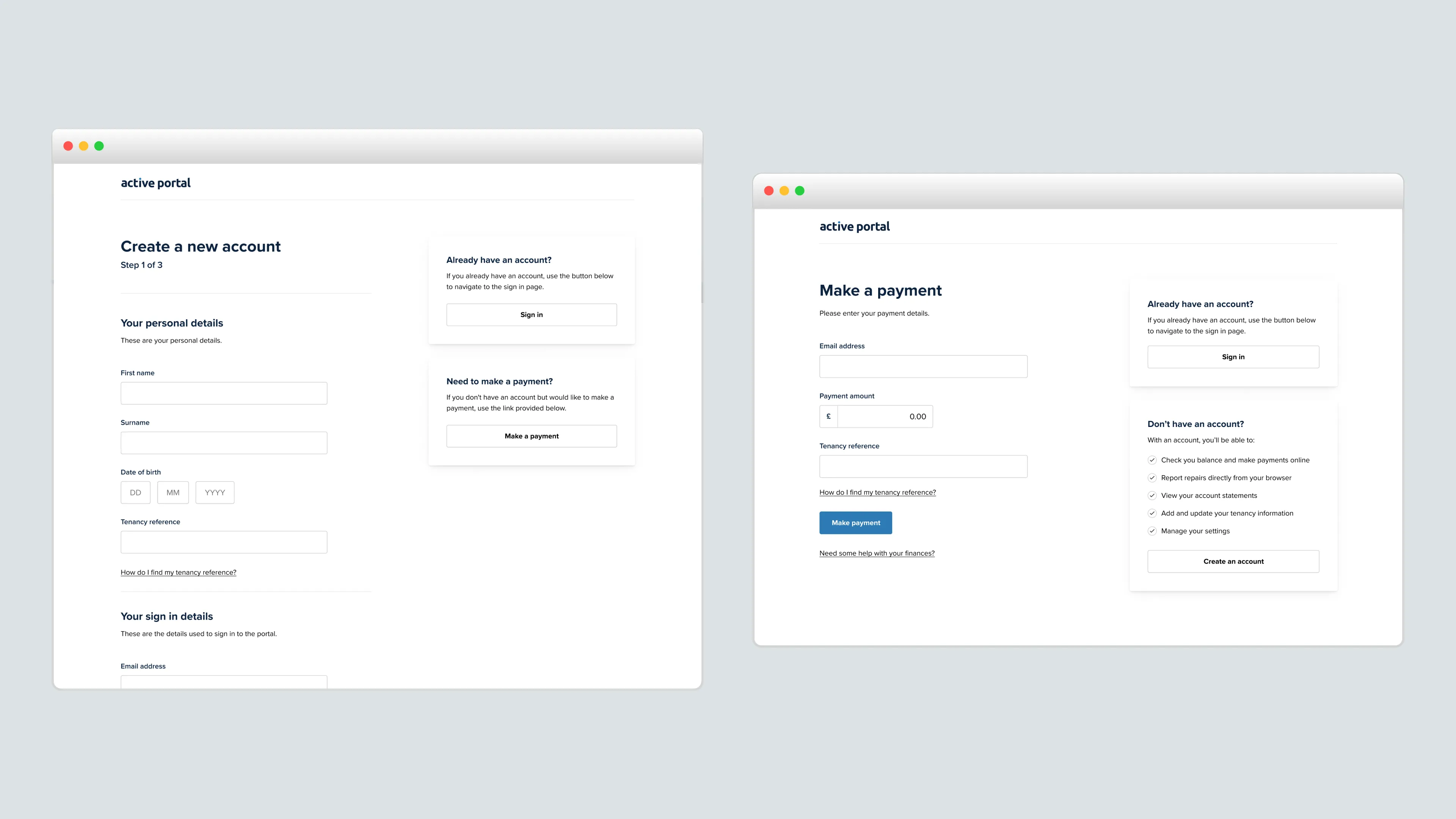
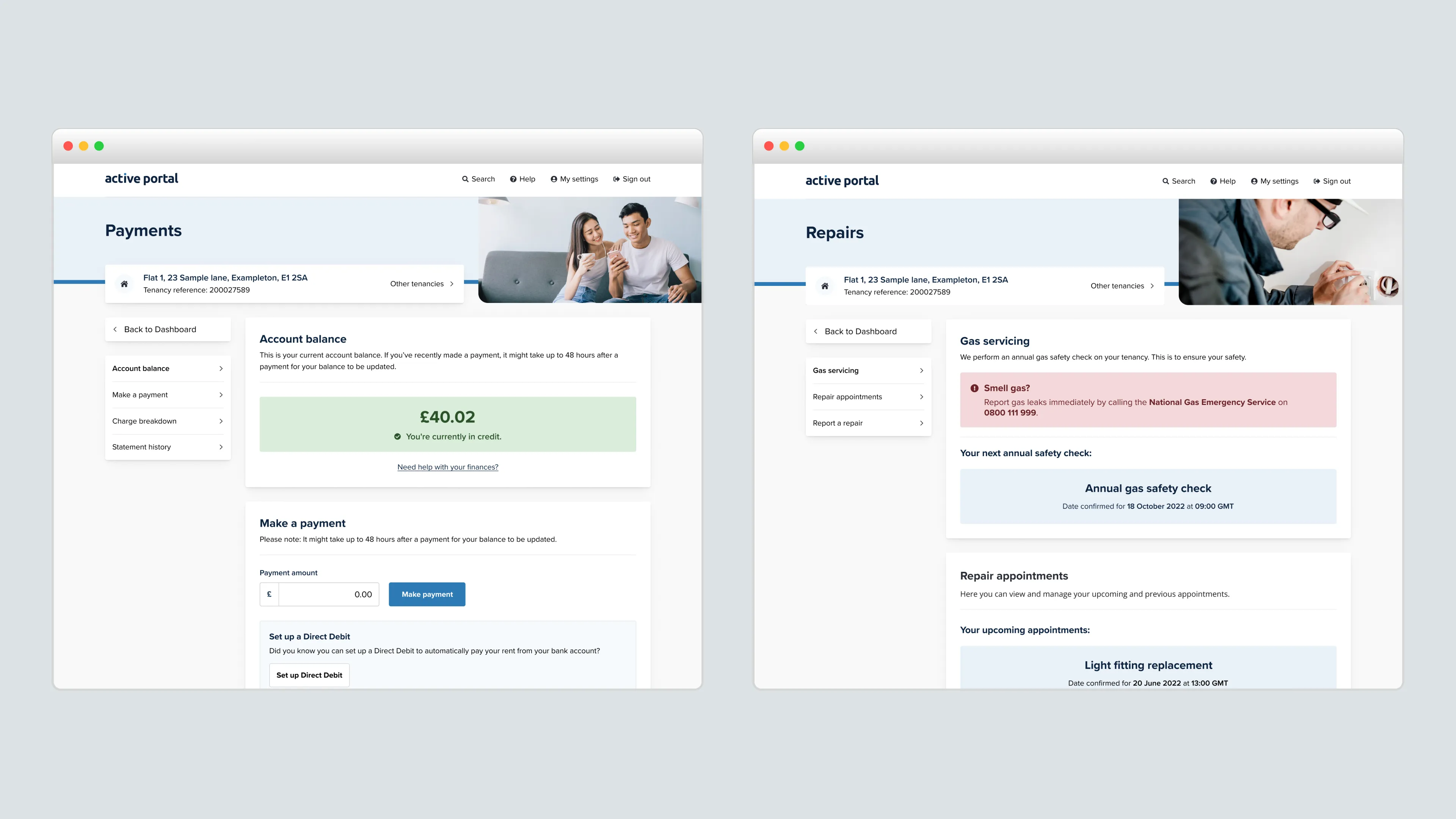
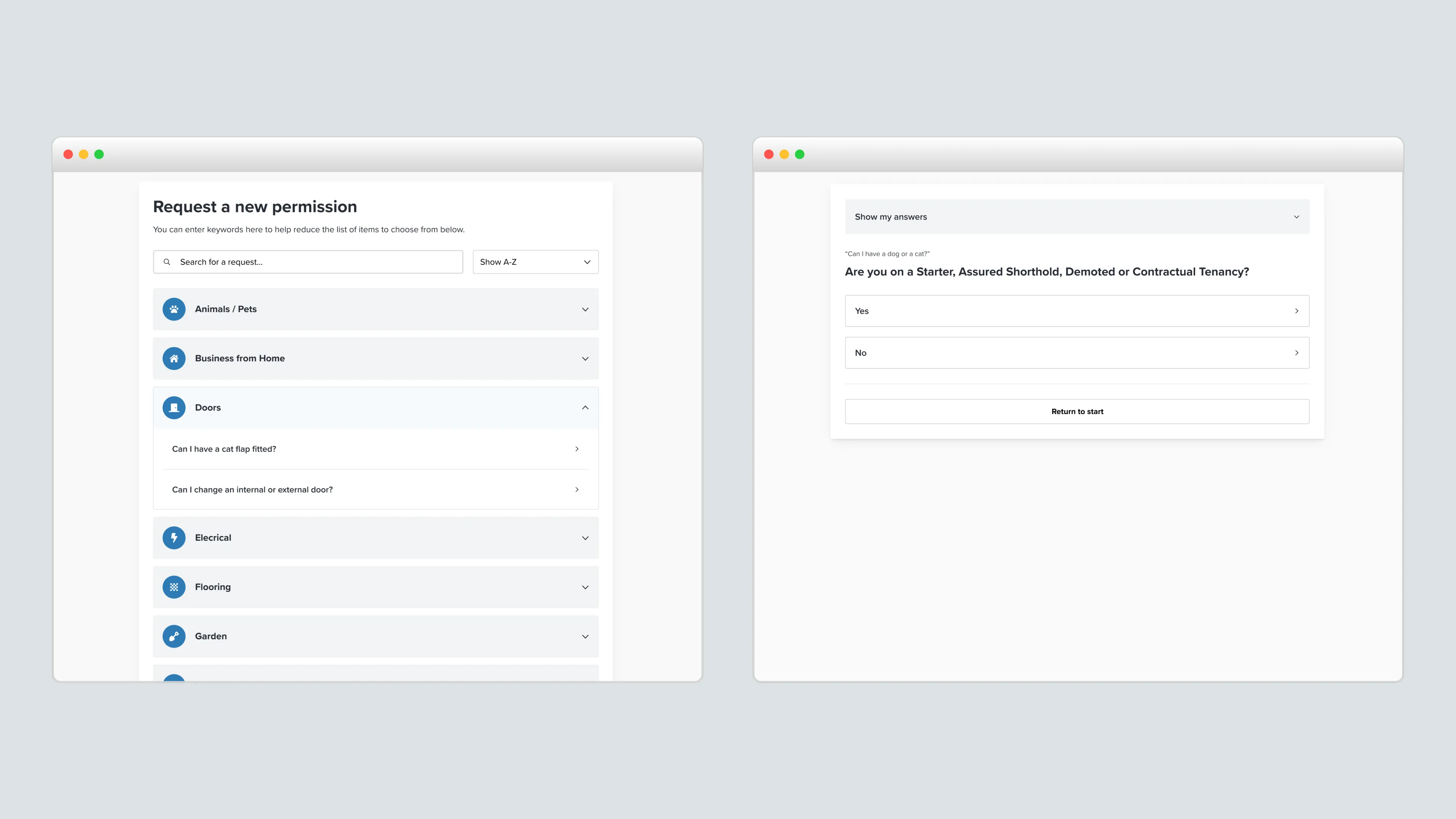
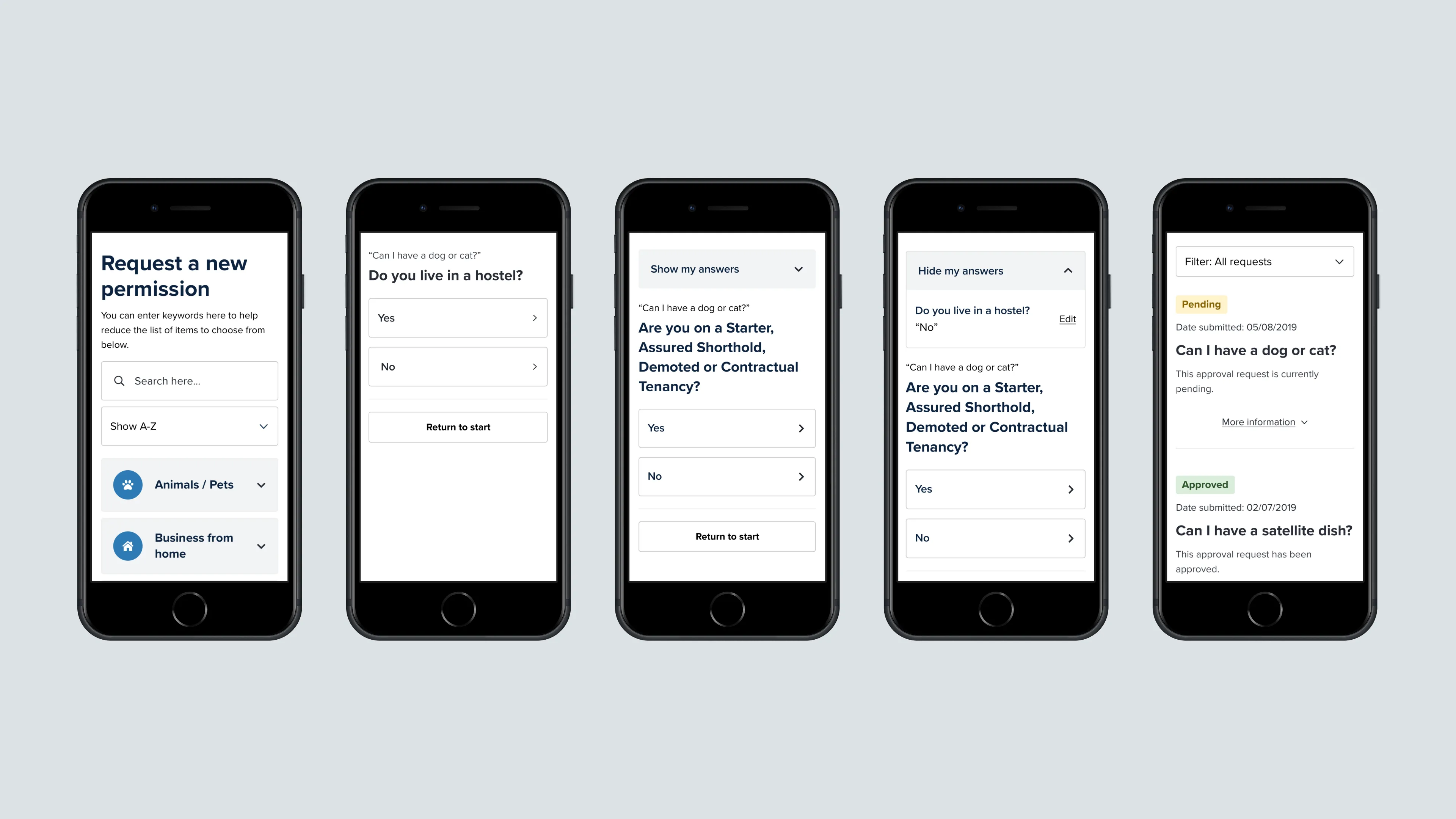
With clear insights from our research, we took a systematic approach to transforming the platform's design:
Resident Engagement
400% increase in tenant logins post-launch, with over 2-million residents now independently managing their tenancies.
Operational Efficiency
50% reduction in inbound calls, with housing associations reporting their teams could now focus on complex resident needs, rather than routine requests.
Development Speed
Unified design system cut integration time from 200+ days to just 70 days, enabling faster rollout to new housing associations.
Digital Inclusion
Successfully onboarded residents aged 80+ to use the platform independently, proving that thoughtful design can bridge the digital divide.
Team Growth
New design system and documentation enabled seamless onboarding of new team members, supporting the company’s rapid growth.
Market Position
Platform improvements contributed to the company's successful acquisition by one of the largest housing sector organisations.
“The system is intuitive and easy to navigate, which helps when dealing with something as critical as repairs.”
– Anonymous Tenant
“It’s clean, clear and much more aligned with what we expect from a modern portal.”
– Local Authority Stakeholder