My Role
Senior Product Designer
Project Duration
24+ months
Platform
Web & Mobile (iOS, Android)
Millions in the UK lack access to quality home care, leading to extended hospital stays and strained NHS resources. The Tribe Project tackled this by reimagining how communities access and provide care through digital innovation.
As senior designer, I inherited an initial concept and transformed it into a market-ready platform that decreased hospital delayed discharges by 4.5%. The project's success in pilot regions demonstrated how thoughtful design could address complex healthcare challenges while delivering meaningful cost savings, winning multiple innovation awards, and our founder being awarded a OBE for our efforts.
The Challenge
Tribe aimed to bring accessible care and support across the UK through a digital platform that uses AI and machine learning to understand the current care needs in a community (through searches, usage, and demand) and to predict how that may evolve in future trends to better position areas and hospitals ahead of time.
This meant we could work with our piloted areas to find areas with less care support and higher demand, train providers and professionals through our platform and training tools, and create more access for those finding support, reducing the shortage of care and support inside of a community and allowing hospitals to discharge patients back into their home with a dedicated care plan in place.
With four piloted councils ready for a soft launch, we needed to create an experience that would feel truly personal vs. another corporate company trying to profit on those vulnerable and in need.
In order to find out how successful Tribe’s previous concept would be in the market, my first task was to conduct a large research study, talking to those who draw on and provide care and support in order to see how our platform would and could be used. This involved:
Inherited Reports
Reading through ethnographic reports inherited from a previous agency conducting the user research on their time spent talking to people ‘on the ground’.
Listening Tour
Speaking directly with those who have used previous products and platforms to try and solve the issue of sourcing care and support through focus groups, surveys and relaxed interviews.
Usability Testing
Testing our concept through moderated testing sessions utilising various tasks and questions to better understand user pain points and to find opportunities.
Main Areas of Focus
Collecting findings and feedback, we discovered the following patterns and areas of focus;
Navigation
Users struggled to navigate the platform without a cohesive user journey, unsure of where to go to perform set tasks.
Service Onboarding
Support providers had a hard time onboarding their services to Tribe due to the lack of guidance and support.
Sizes & Contrast
Contrast and text sizing issues meant those with visual impairments had difficulty reading the content and identifying actions.
Hard to Spot Functionality
We found that there was poor visibility on how to switch their account from the default ‘Looking’ to ‘Providing’ (which opens specific functionality for providers).
Locations
Providers locations were fundamentally flawed, being based on their address meant those who worked in a different location to where they live wouldn’t show in that areas listings.
Visual Design & Branding
Participants commented on the inconsistency of Tribe’s branding and how it needed more ‘character’ in a saturated market.
"It got progressively harder. The sign up tasks at the start were smooth, as we went on it got less smooth, things got harder to find."
– Anonymous Participant
“I have quite a strong background in tech and use apps frequently. I struggled to find key sections that you prompted me to within the app, I think someone like my mum would really struggle.”
– Anonymous Participant
Over the course of two years in between projects, during our soft-launch in piloted areas, we continuously gathered participant feedback to refine the platform’s experience. We adopted a cycle of testing, iterating, and implementing changes, which led to significant improvements in user outcomes.
As part of this work, we developed a new design system.
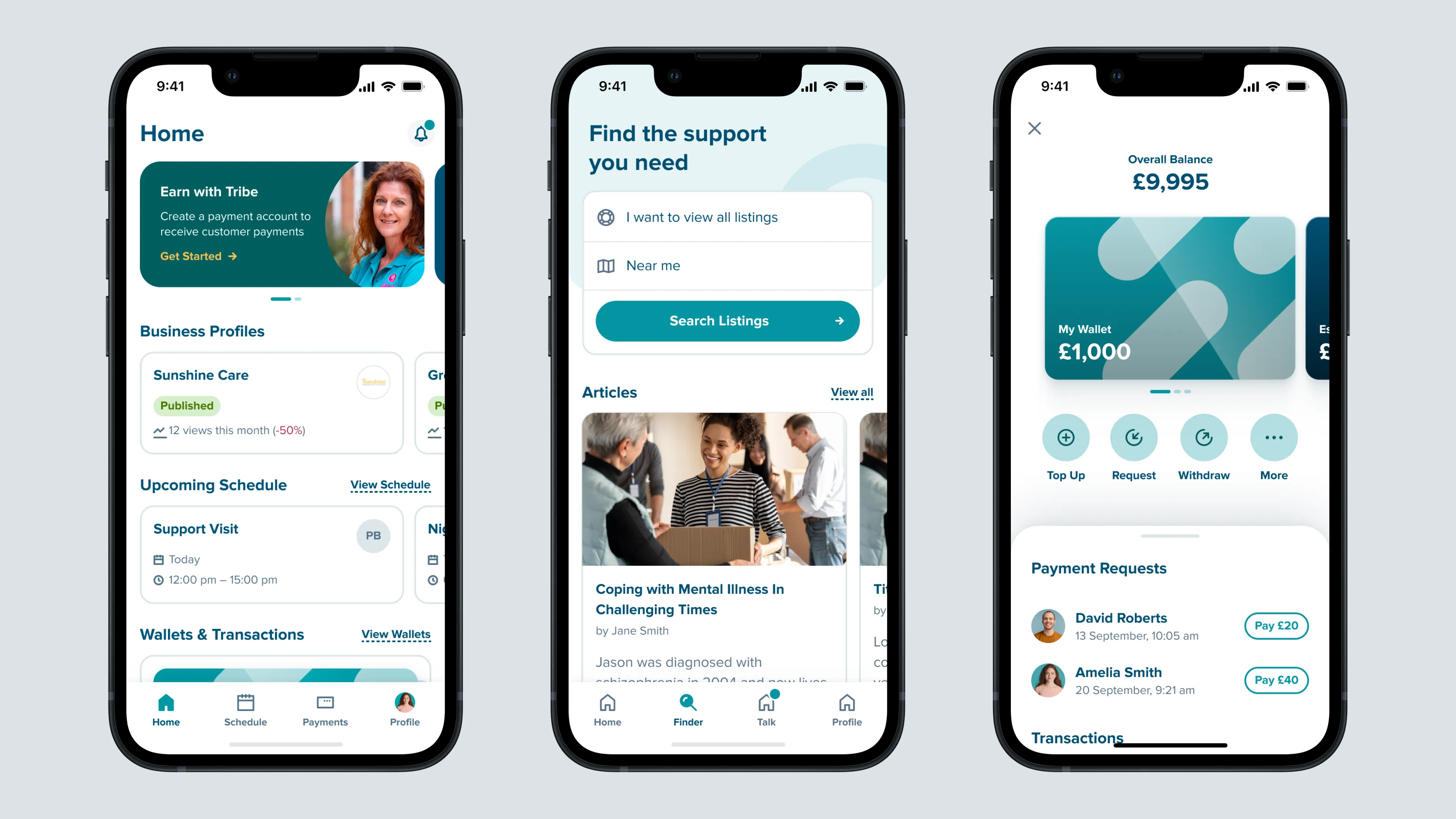
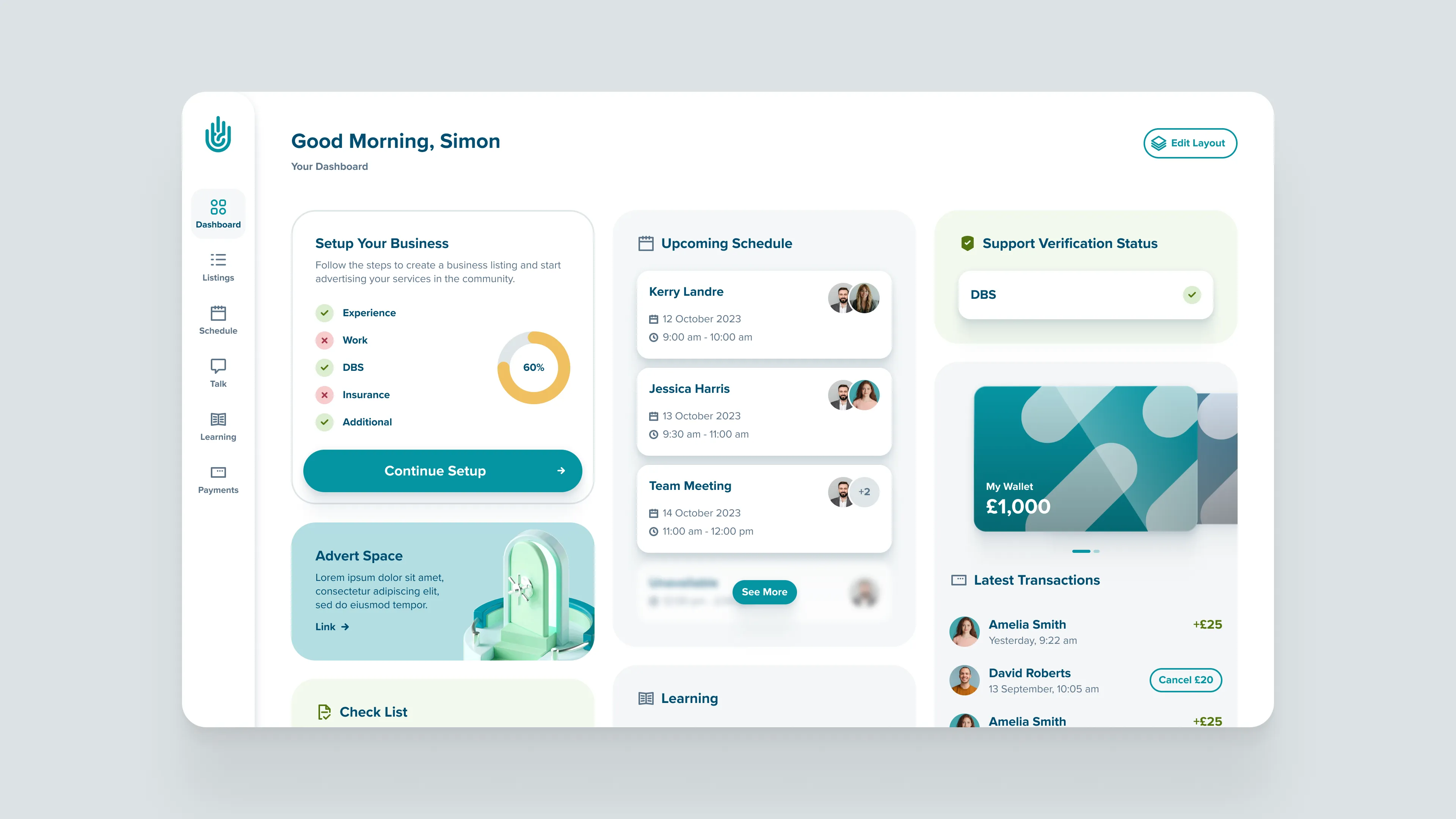
Improved Onboarding and a New Home Screen
Replaced the poorly received ‘Hub’ with a dynamic Home Screen based on their onboarding choice, displaying key information ‘at a glance’ on the highest usage features (based on analytics and testing). This change made navigation intuitive and prevented overwhelmed feelings on the platform.
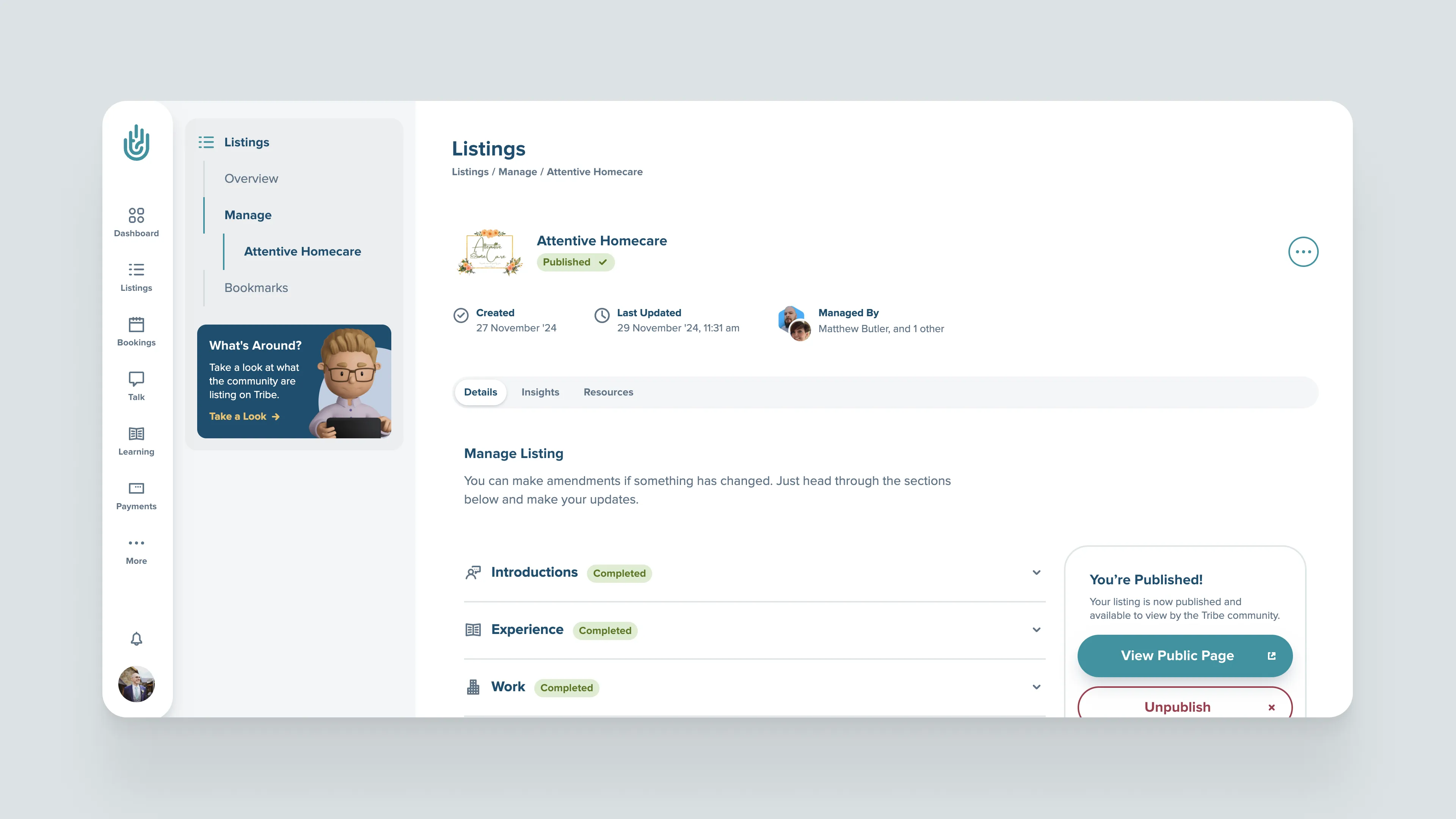
Bespoke Listings
We introduced standalone business listings, which allowed users to comfortably enter their business information in a structured way, creating a clearer separation between personal and business details.
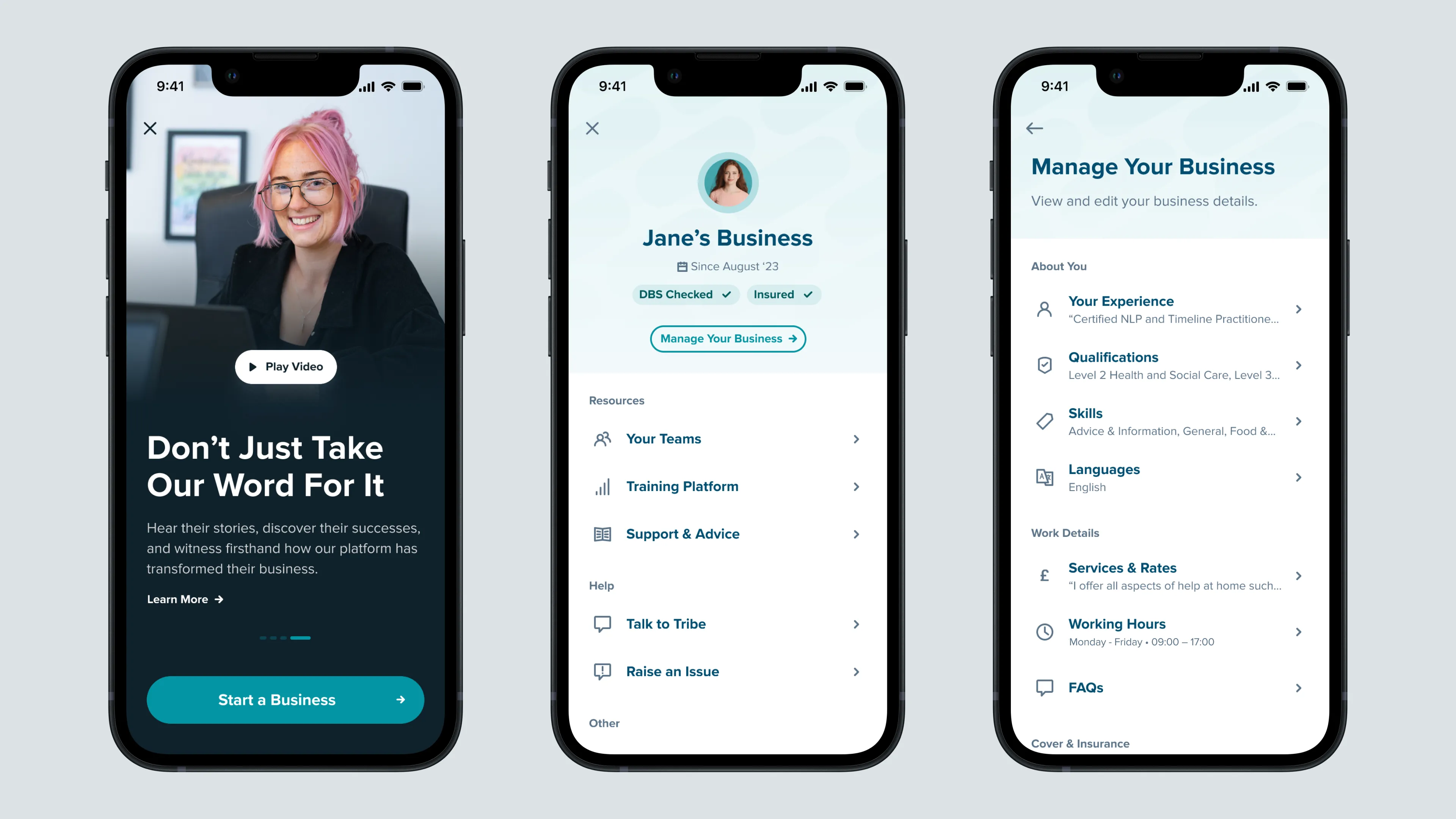
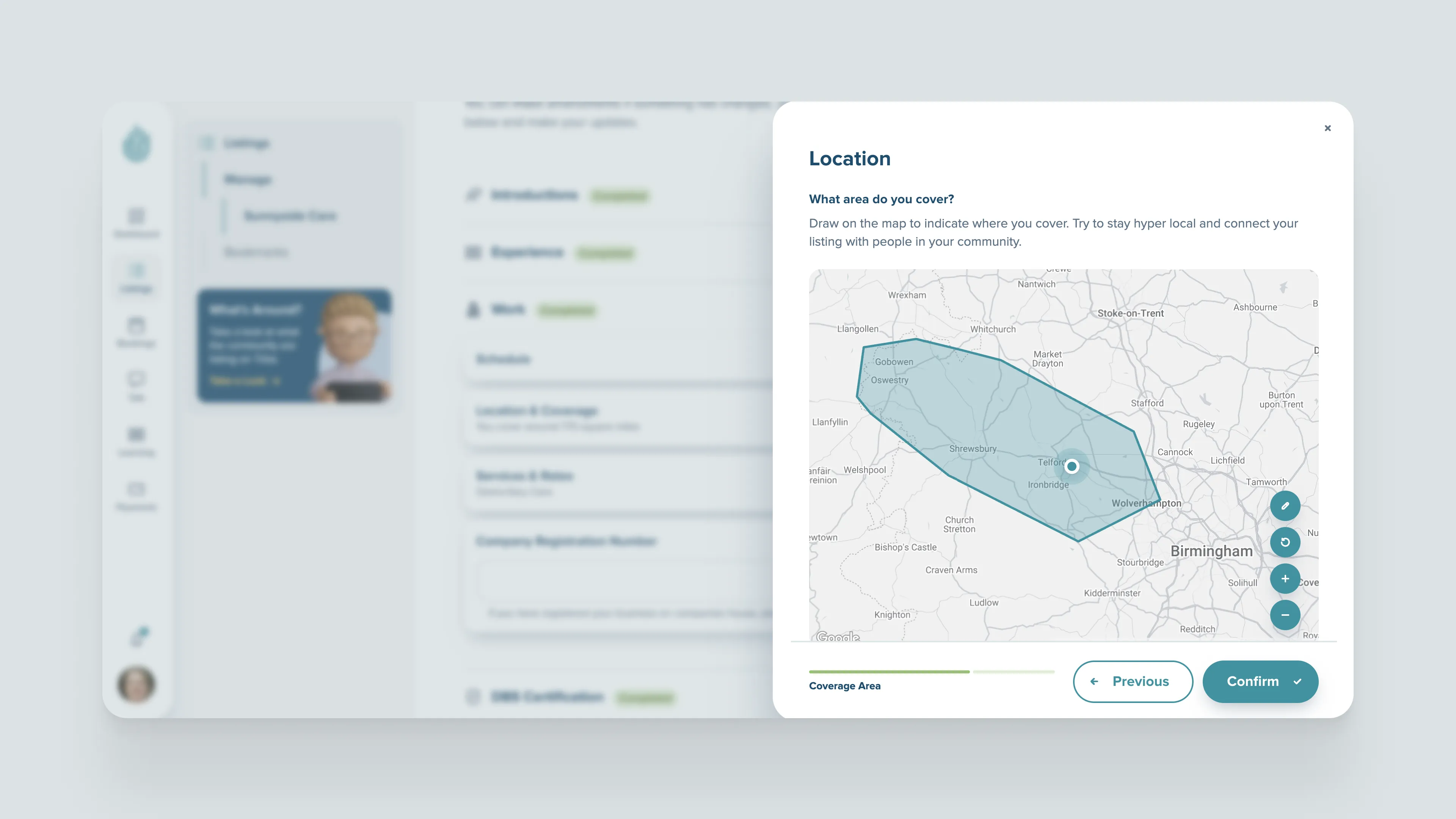
Location-Based Listings
Added ‘Working Locations’ for professional listings, enabling users to map their exact service areas. This eliminated confusion by ensuring services were accurately represented within the specific geographic areas they covered.
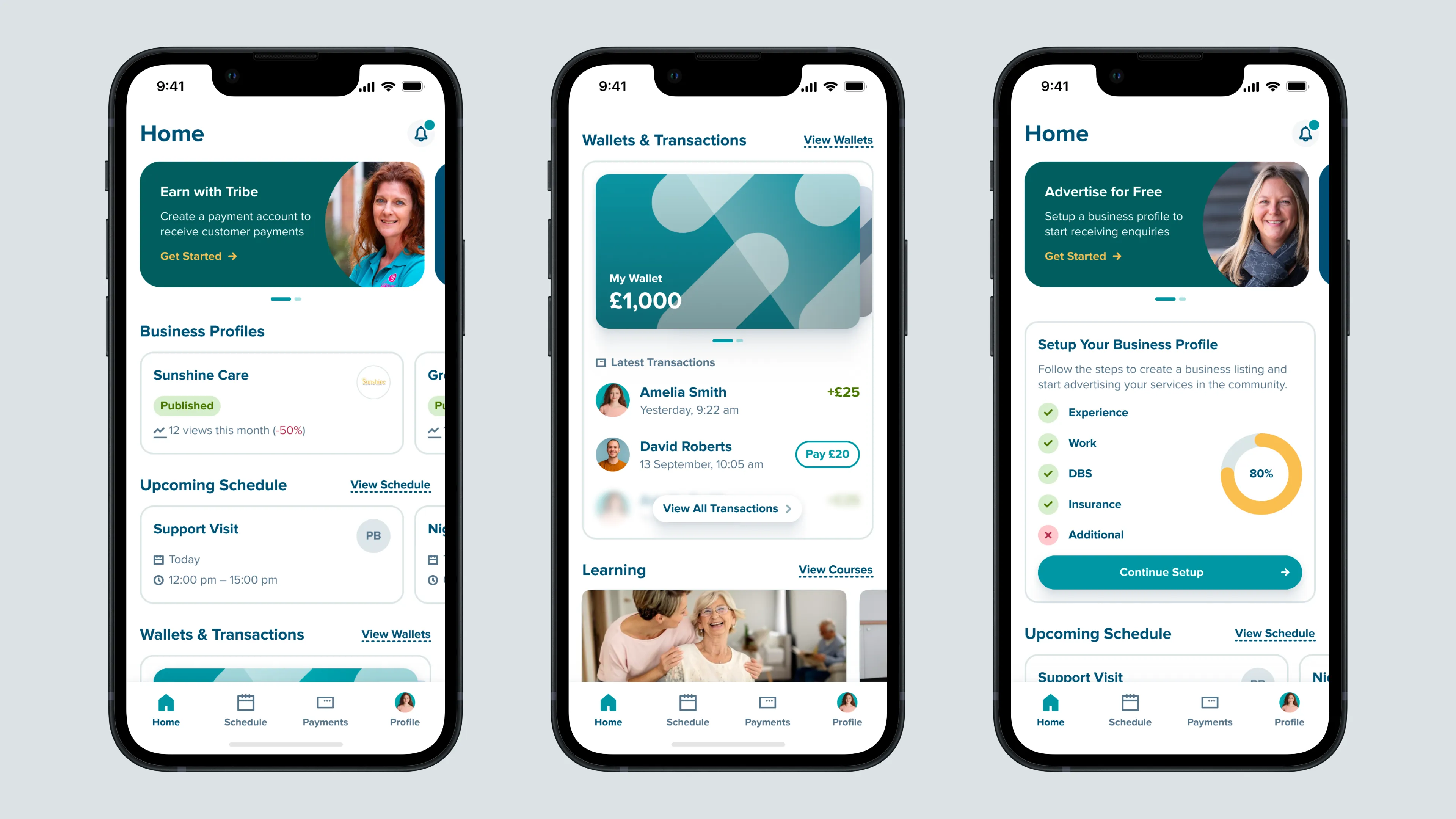
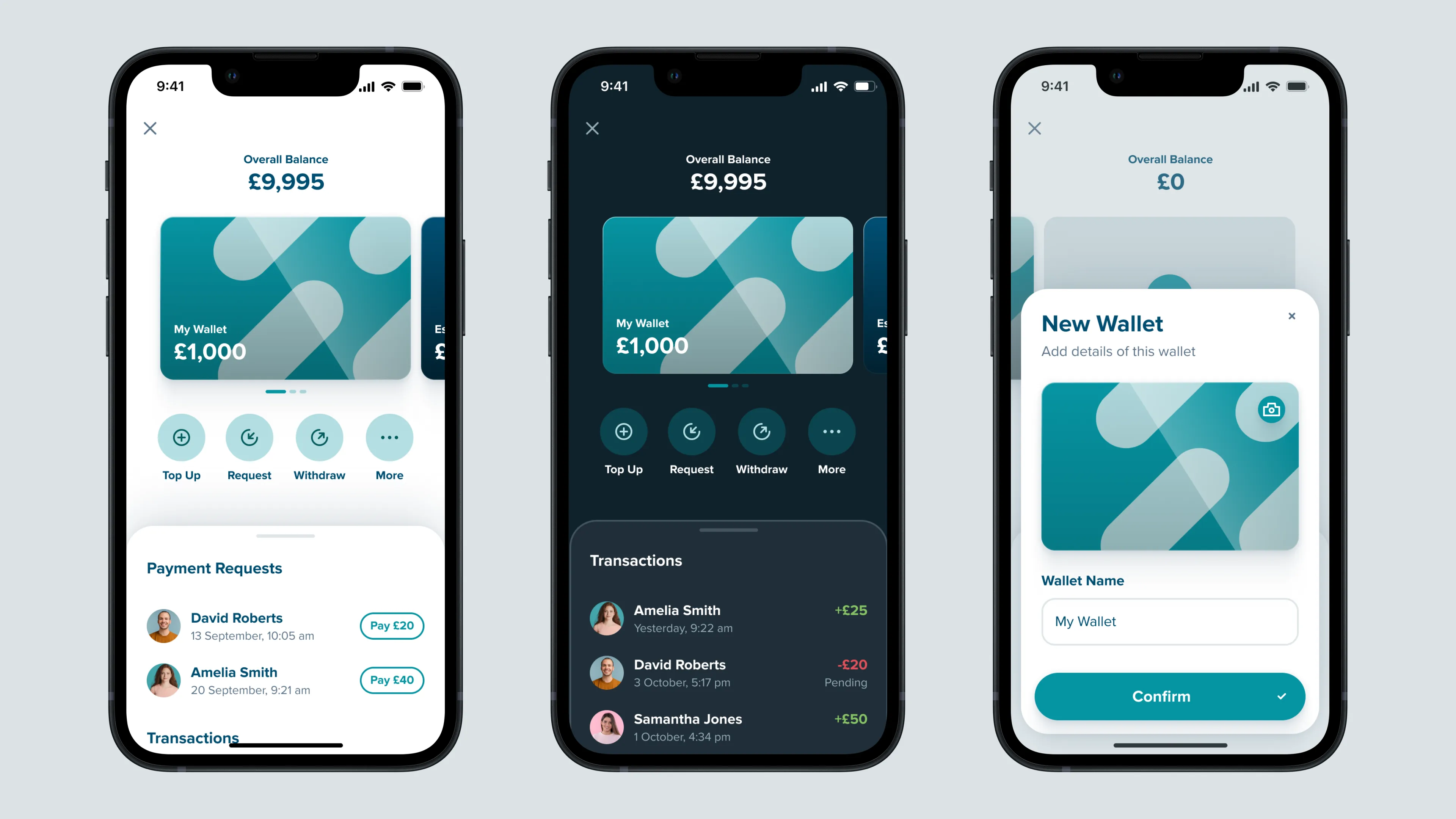
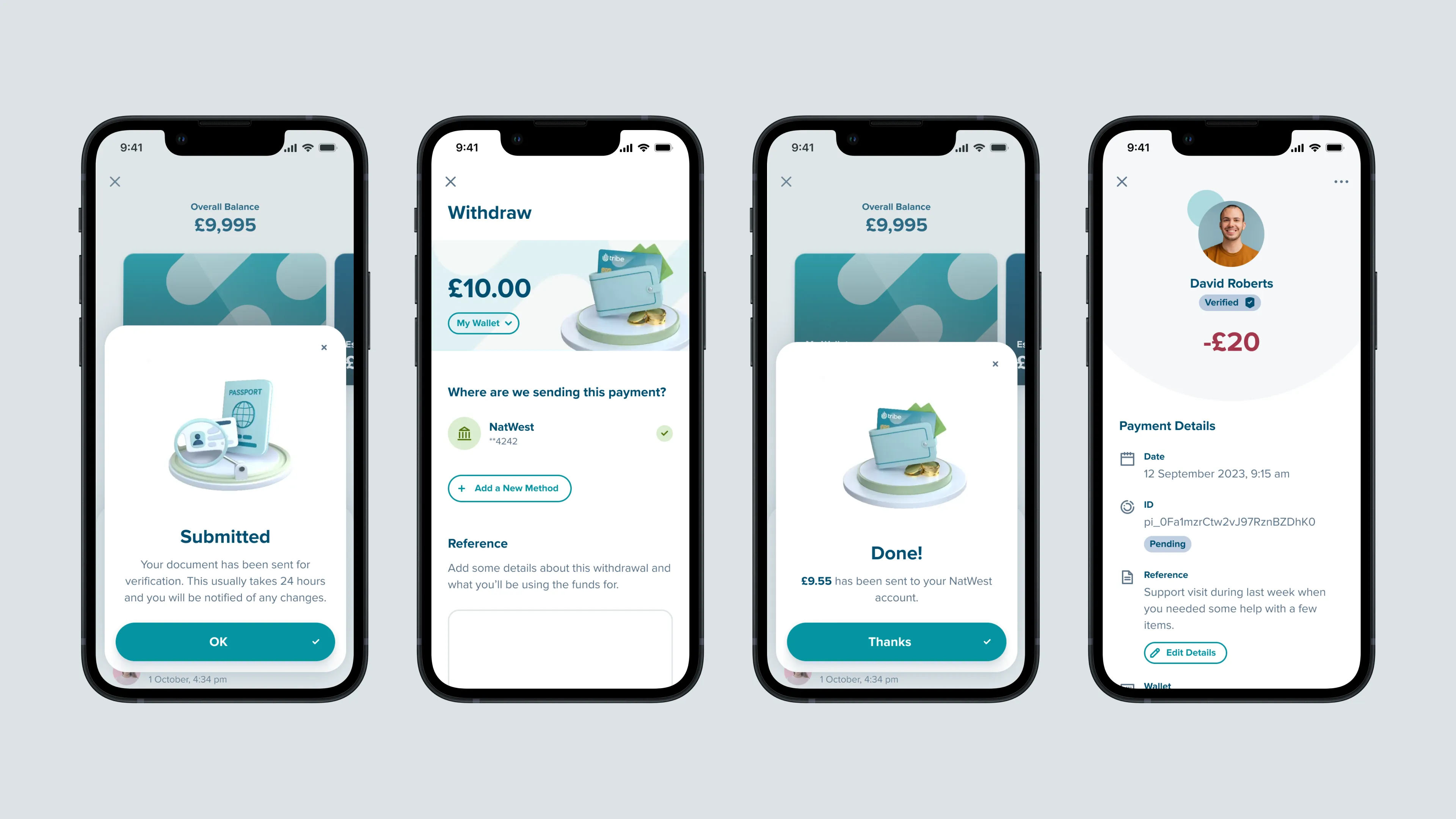
Overhauled Payments
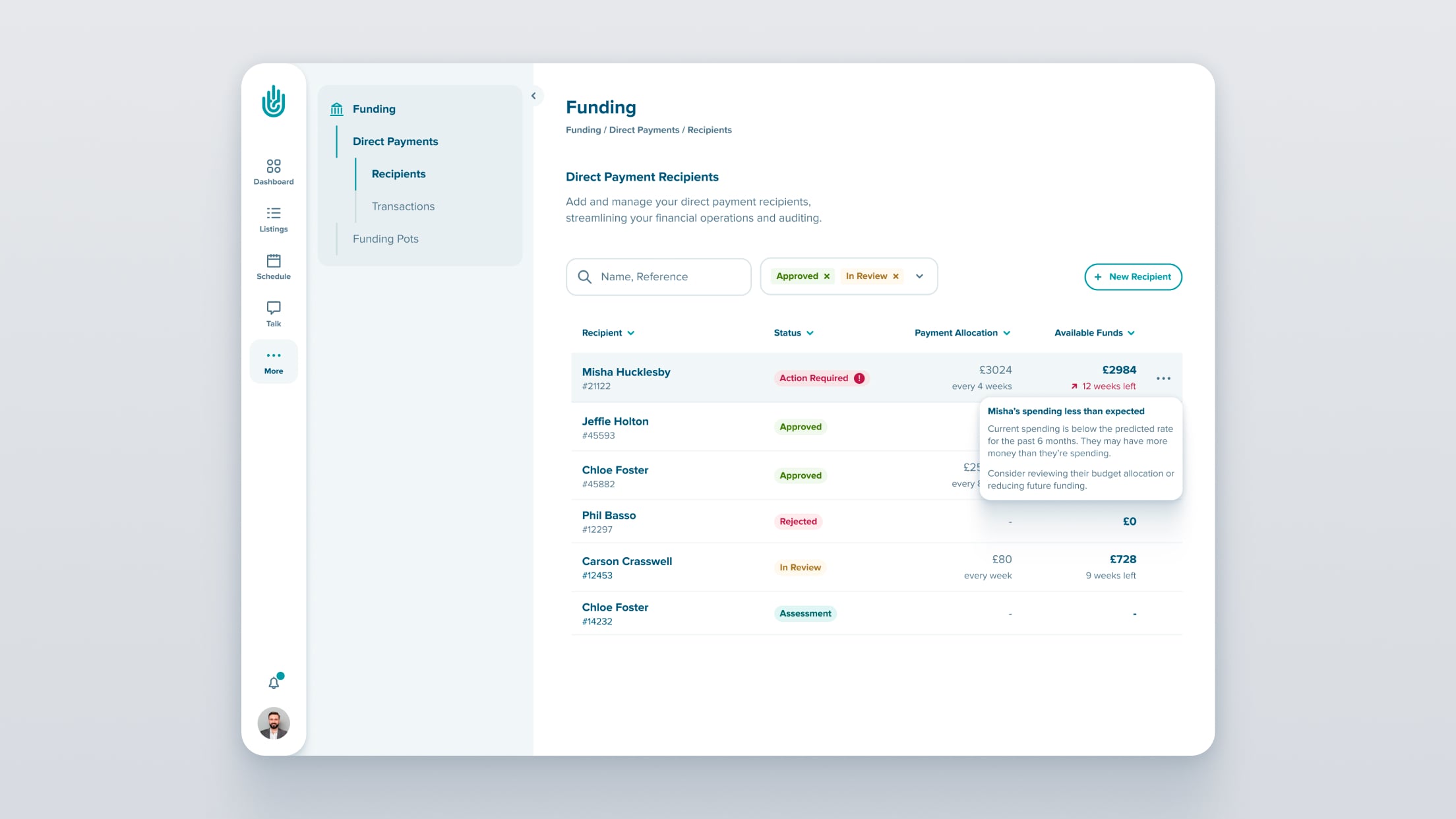
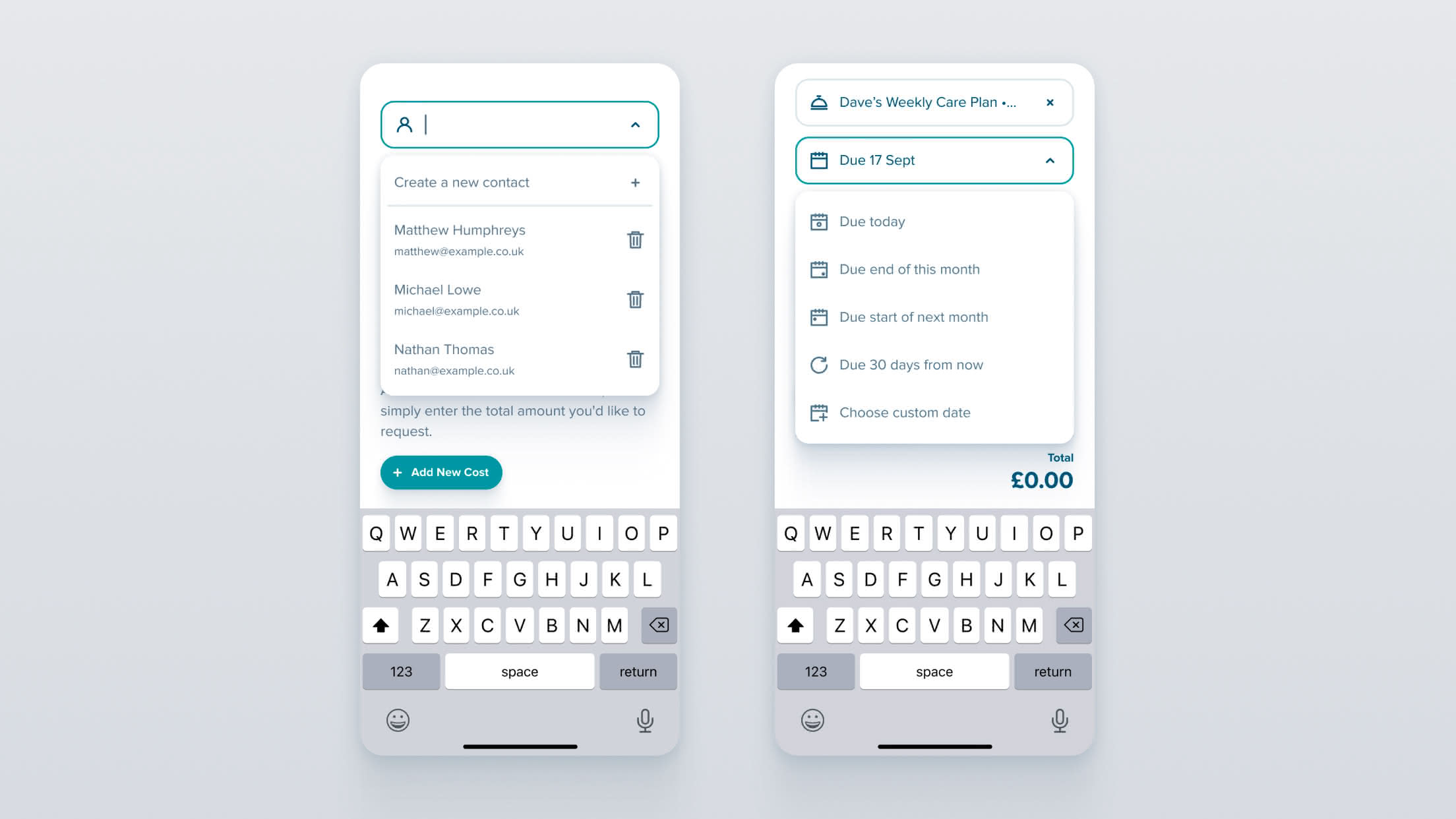
As part of a service change (from Stripe to MangoPay) we redesigned our payment experience, introducing virtual wallets, enabling councils and local authorities to fund and manage service users accounts. We surfaced key actions that were previously hidden in menus. This made it easier for users to make and receive payments on the platform.
In-Platform Commissioning
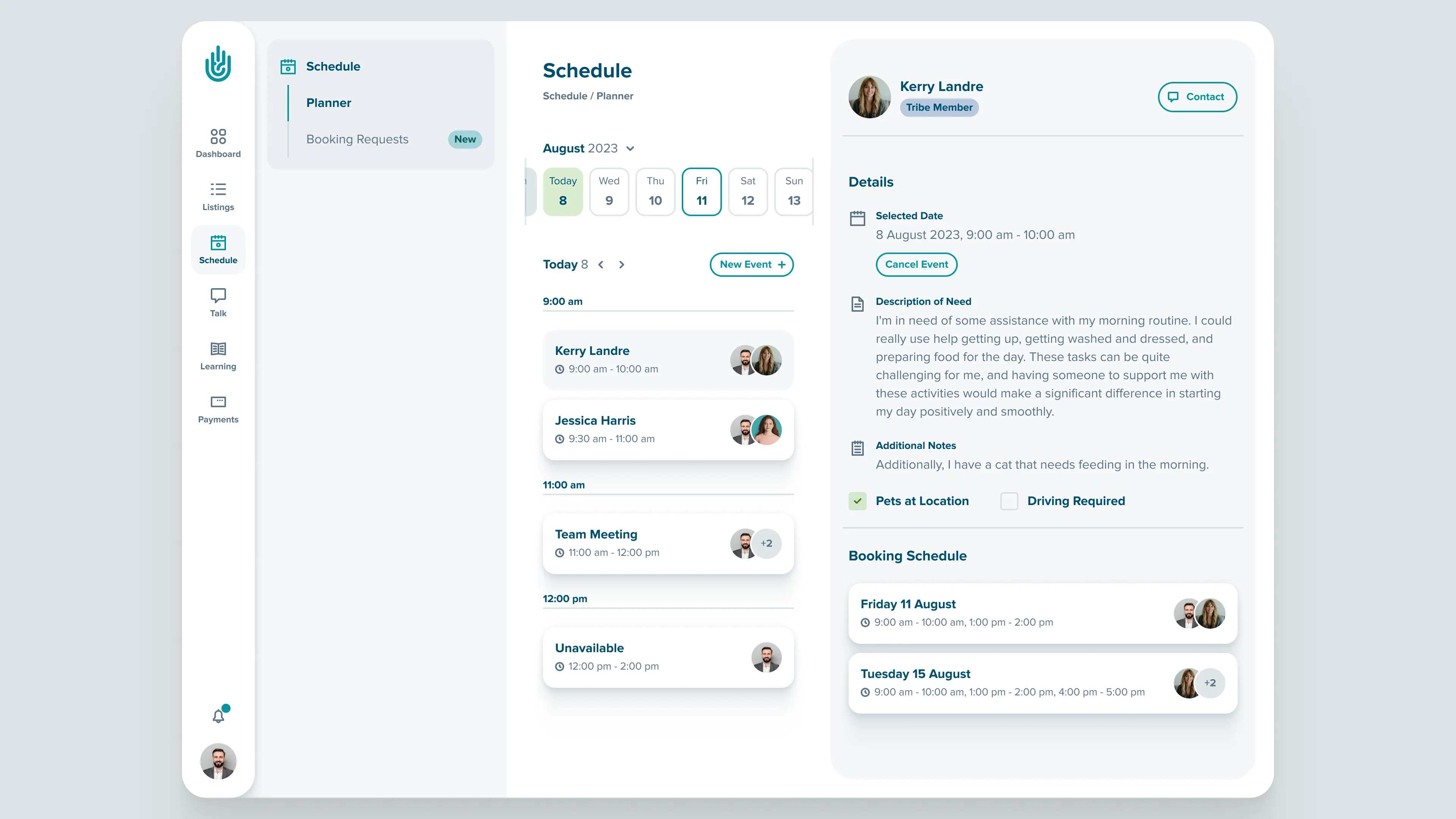
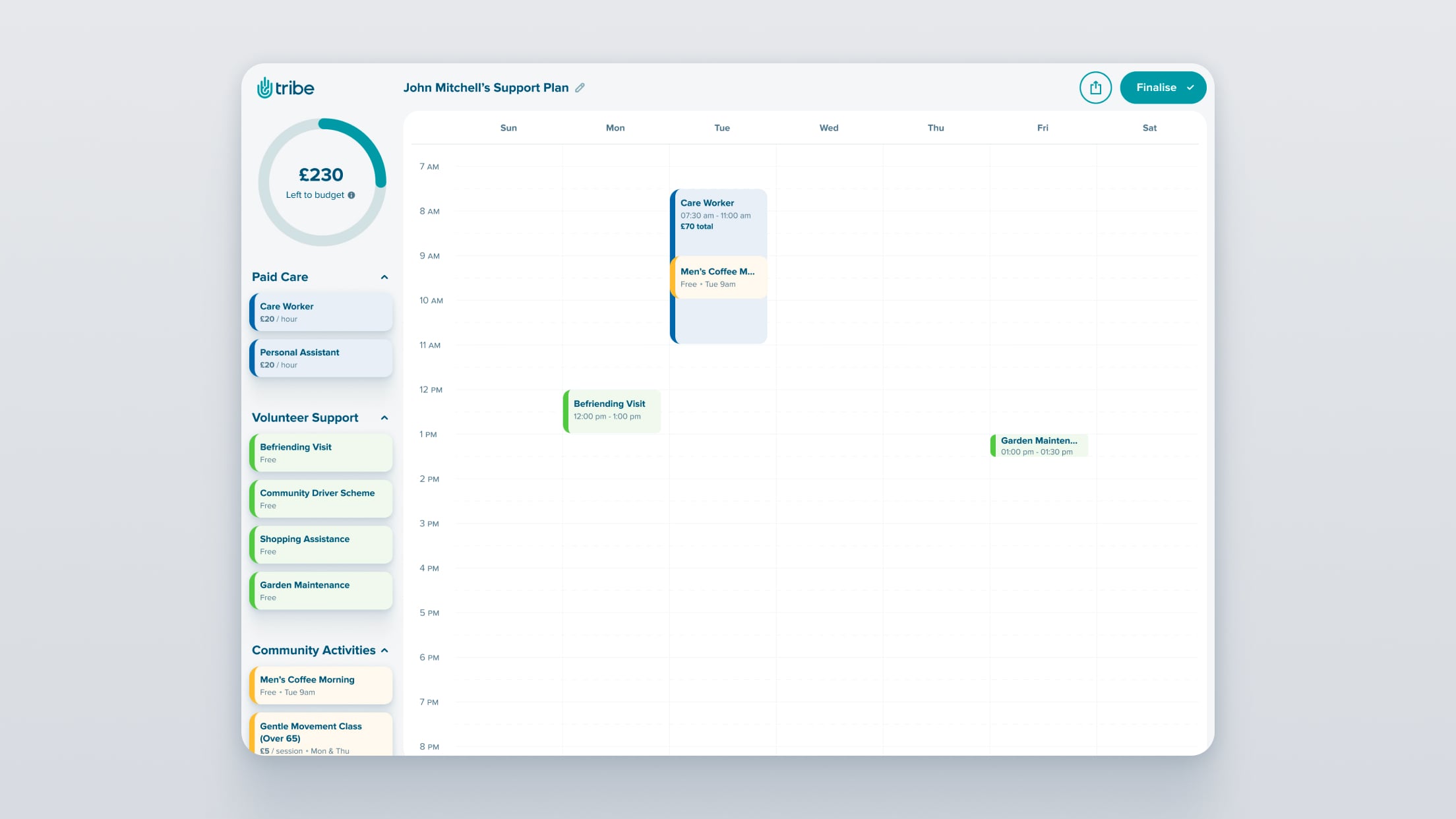
Off the back of the overhauled payments, we introduced direct bookings and appointment scheduling in within the platform, syncing services with users’ in-app calendars. This streamlined the process of commissioning professionals and improved service accessibility, whilst giving us access to wider council funding through direct payments.
Misc. Screens
Given the scale of the project and the volume of work delivered over two years, this section highlights additional screens across the platform to showcase more breadth and consistency across features.
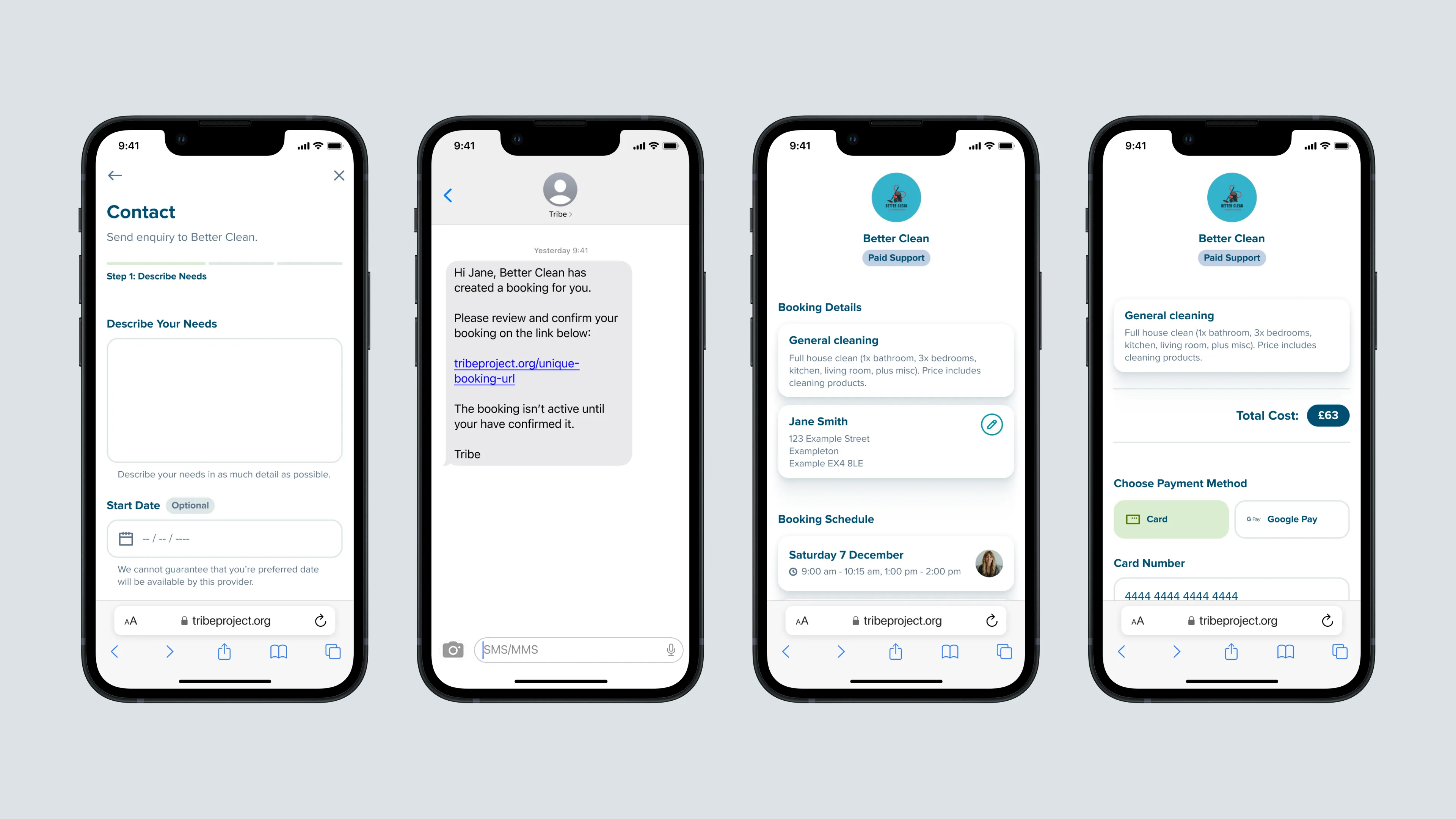
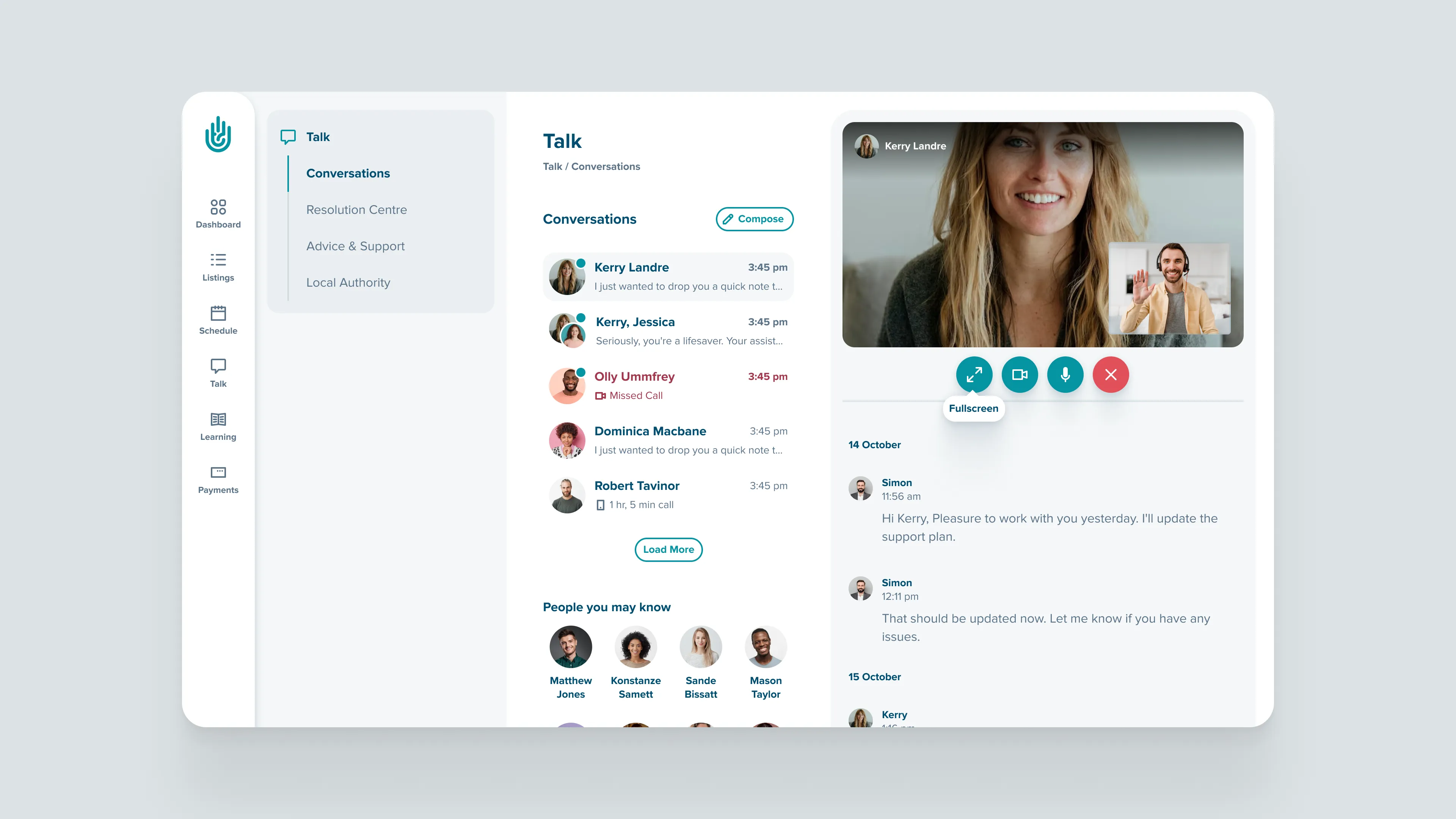
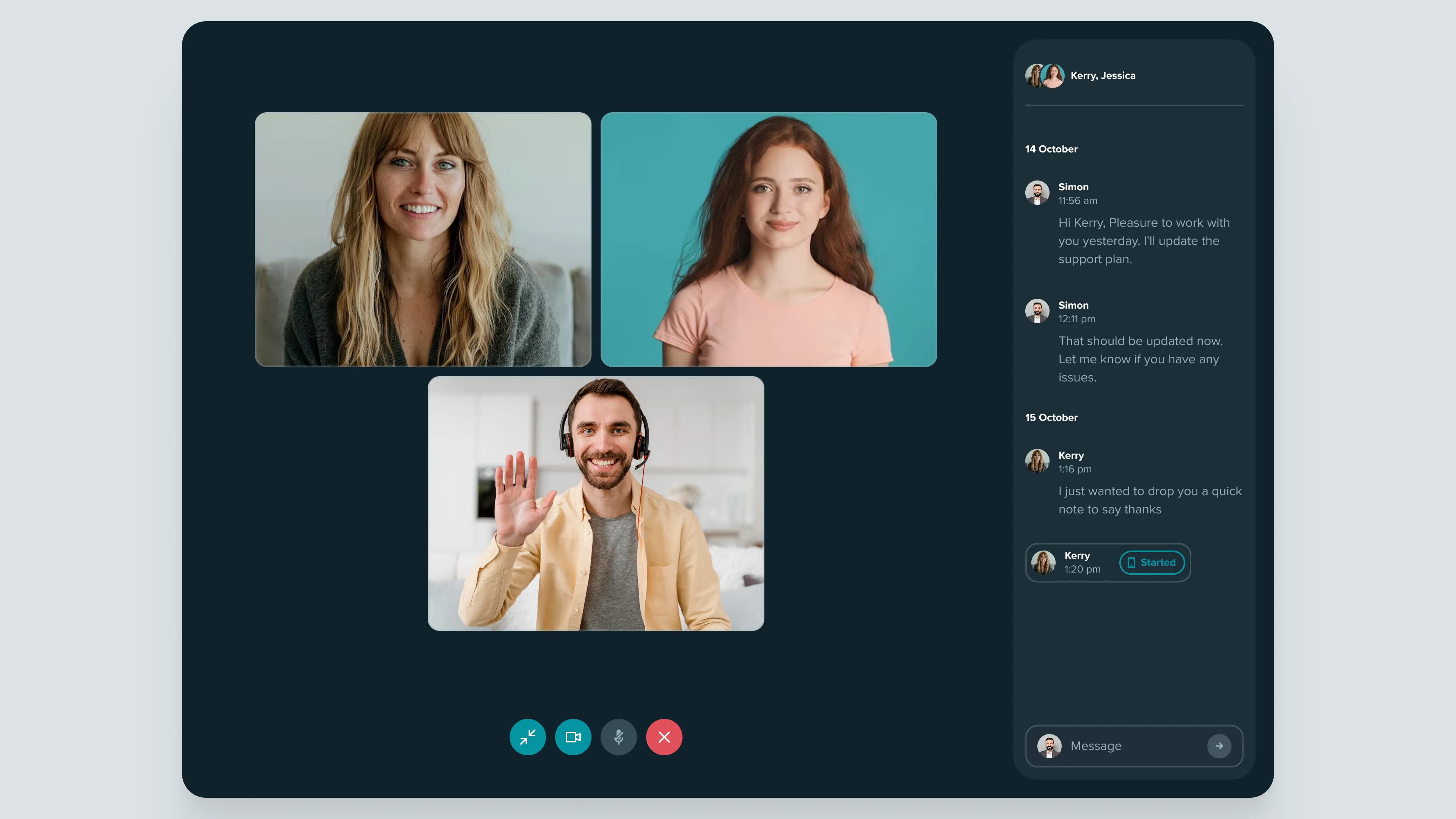
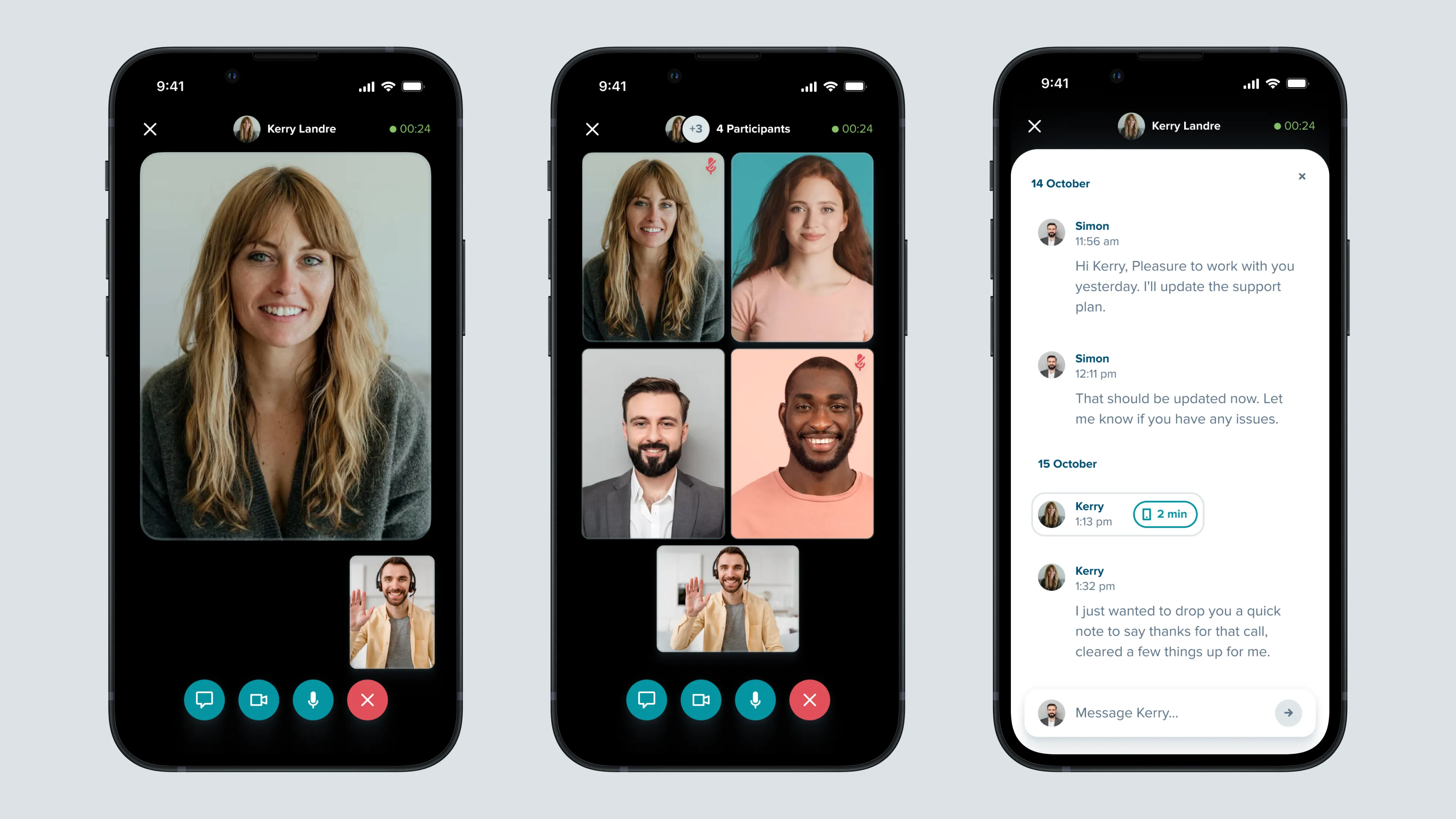
The project had it's ups and downs. Threats to revenue models, ever changing client scopes, and pivots during development phases.
Stakeholder Alignment
Challenge
Multiple local authorities with shifting, sometimes conflicting priorities
Solution
Developed modular design system that could adapt to different authority needs while maintaining core functionality
Trust & Safety
Challenge
How could we better safeguard those drawing on support?
Solution
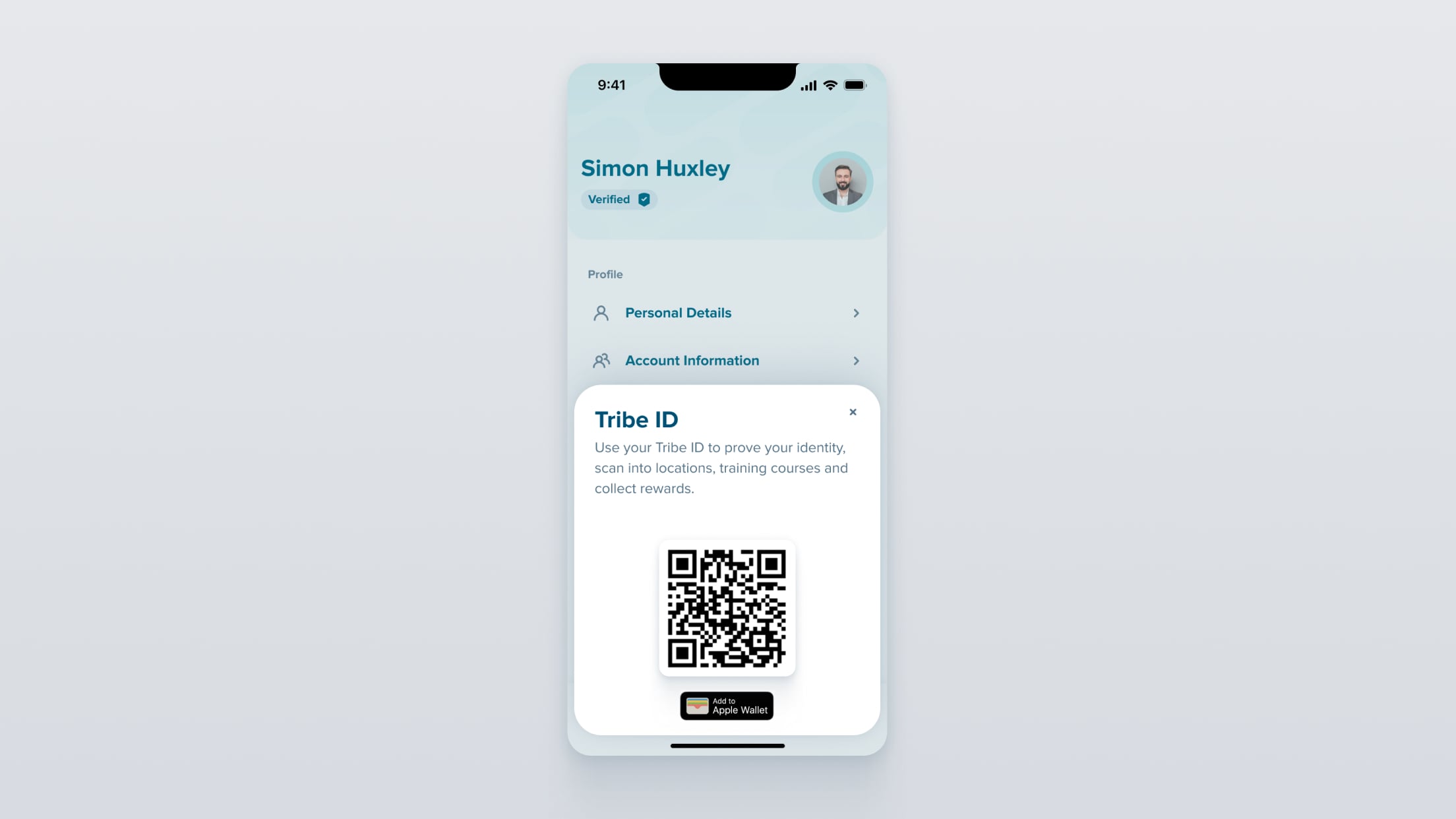
Designed automated DBS verification flow and introduced unique Tribe ID system for real-time identity confirmation
Technical Pivot
Challenge
7-month payment provider migration delays threatening revenue model
Solution
Collaborated with technical team to design interim booking solution while maintaining user experience quality, designed, developed, tested and launched all within a 4–week sprint.
Hospital Efficiency
Reduced delayed discharges by 4.5%, helping hospitals free up crucial bed space and enabling more patients to receive timely care. This translated to large annual savings, money that could be redirected to other critical healthcare needs.
User Experience
Transformed platform usability from 22% to 93% task completion rate, enabling people to find and arrange care with confidence, often during challenging life moments.
Community Impact
Successfully piloted across multiple regions, proving that thoughtful digital solutions could help address the UK's growing care access challenges.
Healthcare Innovation
Recognised in the UK Parliament as a model for how technology can reduce pressure on health and social care systems - validating our human-centered approach to healthcare innovation.
Care Access
Created new pathways for communities to access care, helping people stay in their homes longer and maintain independence while reducing strain on care facilities.
System Scalability
Built a foundation that could adapt to different regional needs while maintaining core functionality, proving the concept could scale nationally.
“I absolutely believe in Tribe as a product. It is what I can imagine citizens themselves using to come together and self-organise.”
– Kirsty O’Callaghan, Head of Strengthening Communities (Essex County Council)
“Tribe is already showing the benefits that can be gained by putting people in control of accessing care from their local community, something that is not achievable through local authorities commissioning care at a large scale.”
– Lisa Wilson, Head of Strategic Commissioning and Policy (Essex County Council)